
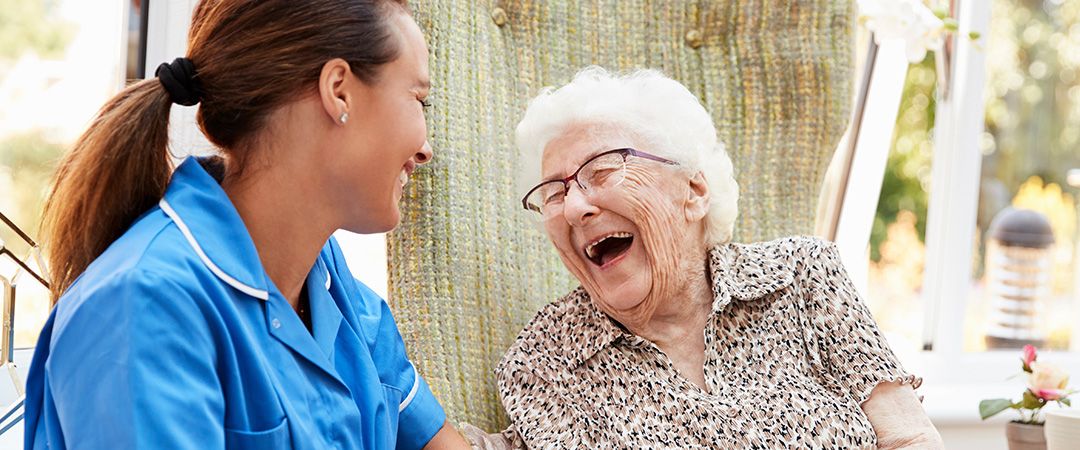
There is something comforting about seeing a familiar face.
It might be a family member walking through the door, a nurse who has become a familiar part of the day, or a friend sitting nearby during an activity. Even when a person may not remember every name or recognize every detail, familiarity can still carry a sense of comfort.
In memory care, those familiar faces can become an important part of everyday life.
Familiarity Can Create a Sense of Comfort
Memory loss can make the world feel less predictable. Familiar places may become unfamiliar, routines can change, and remembering names or recent conversations may become more difficult.
Familiar people can help provide a sense of steadiness.
A caregiver who greets a resident warmly each morning. A nurse who knows how they like their coffee. A staff member who remembers their favorite music. A family member who visits regularly.
These interactions can create a feeling of recognition and reassurance, even when a resident’s memory does not work the way it once did.
Sometimes, comfort comes less from remembering a person’s name and more from recognizing that the person feels safe.
A Consistent Care Team Matters
The people providing care become a meaningful part of a resident’s daily world.
Good memory care involves much more than completing a list of tasks. Caregivers get to know residents as individuals—their preferences, personalities, routines, likes, dislikes, and the little details that make them who they are.
Over time, those relationships can become familiar.
A resident may recognize the person helping them get ready in the morning or look forward to seeing a particular nurse during the day. Staff members may begin to understand what helps a resident feel comfortable, what tends to make them smile, and what may cause frustration or anxiety.
That familiarity can make everyday care feel more personal.
Familiar Daily Activities Can Bring Comfort Too
It’s not only people who can become familiar. Daily routines can provide a sense of consistency as well.
Breakfast at a familiar time. Listening to music after lunch. Joining the same activity each afternoon. Taking a walk through the same area. Sitting in a favorite place.
These familiar patterns can help give the day a comfortable rhythm.
Activities in memory care are most meaningful when they connect with a person’s interests and abilities. A resident who has always enjoyed music may look forward to a sing-along. Someone who loved gardening may enjoy spending time with plants. Another person may simply enjoy having a cup of coffee and talking with the same few people each morning.
A familiar activity with familiar people can become something worth looking forward to.
Family Visits Still Matter
Family members remain an important source of familiarity and connection.
A visit does not have to be complicated to be meaningful. Sitting together, looking at photographs, listening to a favorite song, sharing a snack, taking a walk, or simply spending time in the same room can create a positive experience.
There may be days when a loved one does not remember the visitor’s name or understand exactly how they are related.
That does not mean the visit has no value.
A familiar voice, a warm smile, a gentle touch, or simply the feeling of being cared for can still communicate something important.
Family visits can also become part of a familiar routine. When visits happen regularly, they can give residents another comforting part of the week to anticipate.
Familiarity Helps Build Community
A memory care community is made up of more than residents and caregivers. Over time, the same people may appear during meals, activities, celebrations, and everyday interactions.
These repeated encounters can help create a sense of belonging.
Residents may become familiar with one another, even when friendships and conversations look different than they once did. A shared smile, sitting together during an activity, singing along to the same song, or enjoying a meal at the same table can all become meaningful forms of connection.
Community does not always require a long conversation. Sometimes, simply being surrounded by people who feel familiar can make a difference.
Seeing the Person, Not Just the Memory Loss
Perhaps the most important part of familiarity in memory care is what happens when people take the time to truly know the individual.
A resident is more than a diagnosis or a care plan. They have a history, a personality, relationships, preferences, accomplishments, and stories that are worth knowing.
A strong care team takes the time to learn those things.
Knowing that someone always enjoyed country music, worked with their hands, loved chocolate desserts, had three children, or preferred a quiet morning can help caregivers create a more personal experience.
Those details become part of the relationship.
Familiar Faces Can Make a Difference
Memory care is about providing safety, support, and appropriate care, but it is also about creating a place where people can feel comfortable and connected.
Familiar caregivers. Familiar routines. Familiar activities. Familiar voices. Family members who keep showing up.
These small points of familiarity can help bring comfort to everyday life.
A person may not remember every conversation or every detail of the day. But the feeling of being known, welcomed, and cared for can still be meaningful.
Sometimes, a familiar face is more than something we recognize.
It is something that helps us feel at home.